
Women's Health World Conference 2026
Speakers - 2026
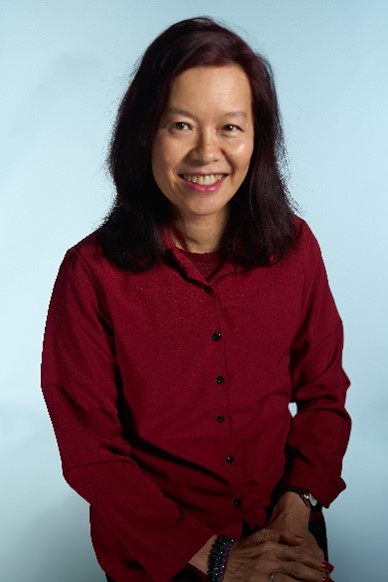
Aileen C. Jong
Aileen C. Jong
- Designation: VitalQi for Life Acupuncture & Medical Qigong Center
- Country: USA
- Title: Healing the Mind through Movement: Women’s Mental Health, Fascia Release, and Nervous System Regulation through Wild Goose Qigong and Chinese Medicine
Abstract
Background: Women’s mental health is deeply connected to chronic stress, hormonal transitions, emotional suppression, trauma, caregiving burden, and nervous system dysregulation. In many Asian cultural and family systems, emotional distress may be internalized rather than verbally expressed, contributing to anxiety, depression, sleep disturbance, chronic tension, and reduced emotional resilience. Integrative movement-based approaches may provide accessible, non-pharmacological pathways for emotional regulation and psychosocial healing.
Traditional Chinese Medicine (TCM) and the Wild Goose Qigong (Dayan Qigong) system, as taught by Medical Qigong Master Dr. Bingkun Hu, emphasize whole-body natural movement, gentle weight shifting, shaking, patting, circular and spiral movement, reverse abdominal breathing, and coordinated action-reaction motion to restore the free flow of Qi and balance Yin and Yang. These relaxed, non-forceful movements may support fascial release, fluid circulation, vagal tone, proprioceptive and interoceptive awareness, and parasympathetic nervous system activation.
Objective: This presentation explores how the Wild Goose Qigong system and Chinese Medicine principles may support women’s mental and emotional health through embodied movement, breath regulation, mind-body awareness, and nervous system self-regulation.
Discussion: The presentation will discuss how comfortable, fluid movement of the physical body strongly correlates with emotional and psychological well-being. Gentle spiraling and whole-body movement patterns may help release chronic fascial tension and emotional holding patterns while improving body awareness, balance, coordination, and stress recovery. Compared with direct verbal processing / talk therapy and counseling alone, movement-based practices may offer culturally accessible approaches for releasing difficult emotions such as fear, shame, anger, blame, and grief.
Special emphasis will be placed on the relationship between movement, breathing, fascia, endocrine regulation, and vagal tone, and how these concepts bridge Traditional Chinese Medicine with emerging Western understandings of mind-body integration and mental health.
Attendees will also be invited to experience selected Wild Goose Qigong movement elements integrated throughout the presentation to experientially explore principles of relaxation, breathing, coordinated movement, and Qi flow. Through guided practice, participants may observe shifts in body awareness, emotional state, and nervous system regulation as the body transitions toward parasympathetic restorative states. These experiential methods may also help clinicians and wellness practitioners better understand how embodied movement practices can support emotional regulation, psychosocial resilience, and integrative approaches to women’s mental health care.
The presenter will also discuss how modern delivery through the QiMastery online educational platform may expand access to these traditional healing practices for women navigating stress, burnout, hormonal transitions, and emotional overload.
Conclusion: Wild Goose Qigong and Medical Qigong may offer feasible, scalable, non-pharmacological approaches for supporting women’s mental health, emotional resilience, nervous system regulation, and psychosocial well-being. Integrating embodied movement practices into women’s health care may help reduce chronic stress burden while empowering women with sustainable lifelong self-regulation tools.
At the conclusion of the keynote session, attendees will observe a live demonstration of the full Wild Goose Qigong Level I form, allowing them to appreciate the flowing integration of breath, movement, relaxation, and Qi circulation embodied within the practice. The demonstration will illustrate how coordinated whole-body movement, spiraling motion, and relaxed awareness may support nervous system regulation, emotional balance, and mind-body harmony.
Women’s Health World Conference (WHWC 2026): From Research to Reality: Transforming Women’s Health
-
...
Read More>>
Organizer
