
Women's Health World Conference 2026
Speakers - 2026
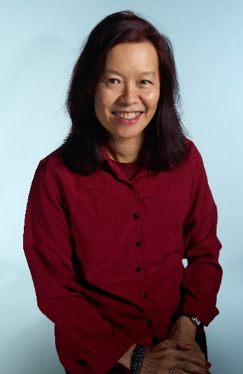
Aileen C. Jong
Aileen C. Jong
- Designation: VitalQi for Life Acupuncture & Medical Qigong Center
- Country: USA
- Title: Empowering Women to Rebalance Hormones and Improve Vagal Tone for Stress Resilience through Medical Qigong and Chinese Medicine
Abstract
Women across the lifespan experience significant hormonal transitions, including perimenopause, menopause, and stress-related endocrine imbalances. These shifts are often accompanied by sleep disturbances, weight changes, mood instability, and chronic stress. In clinical practice, many of these symptoms are closely linked to dysregulation of the autonomic nervous system, particularly reduced vagal tone and prolonged sympathetic activation.
This presentation shares a practical, clinically grounded approach using Medical Qigong and Traditional Chinese Medicine (TCM) to support women through these transitions. Drawing from over two decades of teaching and clinical experience, as well as personal healing, this work demonstrates how gentle movement, breath regulation, and mind-body awareness restore internal balance.
Core methods include reverse abdominal breathing to support vagal tone; coordinated, whole-body, center-to-periphery movements; and gentle circular and spiraling patterns that enhance fascial elasticity and fluid circulation. Emphasis on relaxed, non-forceful motion helps regulate the nervous system. Rooted in TCM principles of yin-yang balance and Qi flow through the meridians, these practices address both physical and emotional aspects of hormonal health.
Participants will be introduced to simple, accessible Qigong techniques that can be integrated into daily life. These practices have been observed to support improved sleep, emotional regulation, stress resilience, and overall well-being in women navigating hormonal changes.
This presentation also introduces an emerging digital health model—the QiMastery program, delivered through an online platform integrating structured Qigong practice with guided learning and lifestyle support. This hybrid model combines in-person and digital delivery to improve accessibility and consistency and is currently implemented in clinical and community settings. Participants engaging with the platform will be followed over time to observe trends in stress regulation, sleep, and overall well-being, with the long-term aim of developing a scalable clinical model to evaluate the role of Qigong in supporting hormonal balance and vagal tone.
By bridging Eastern medical philosophy with modern understanding of the nervous system and stress physiology, this work offers an empowering, non-pharmacological approach for women to actively participate in their healing and long-term health. The presentation includes a brief, guided experiential practice using selected 12 Treasures Qigong movements, inviting participants to engage at their comfort level, seated or standing to directly experience and observe immediate effects on relaxation and body awareness.
Women’s Health World Conference (WHWC 2026): From Research to Reality: Transforming Women’s Health
-
...
Read More>>
Organizer
